What is Achromatopsia?
For people with achromatopsia, everyday light can be overwhelming—causing pain, blurred vision, and a washed-out world of gray. This rare genetic condition affects the cone cells in the retina, leading to complete or partial color blindness, extreme light sensitivity (photophobia), low visual acuity, and poor contrast sensitivity. Patients born with this genetic defect are suffering from one of two types of color blindness: a) complete loss of color vision, or b) partial loss of color vision. Those afflicted with the complete color blindness variant notice only black, white, and different hues of gray in the total variety of color blindness, while the partial achromats see some red and blue.
The severe sensitivity to light causes intense distress or even pain, while low visual acuity makes it more difficult to discern faces or recognize details. While the achromats might see better in low light, bright light poses a significant difficulty.
NoIR Glasses for Complete Achromatopsia
Although there is no cure for achromatopsia, NoIR glasses formulated specifically for achromats block the harmful wavelengths, reducing glare and discomfort and enhancing contrast. In the words of one of our customers, Crystal Davis, a complete achromat, NoIR red and dark amber lenses allowed her to see reds vividly and distinguish traffic lights, which enabled her to drive, fulfilling a dream she thought would never come true before she discovered NoIR achromatopsia glasses.
How NoIR Glasses Help
NoIR glasses are specially designed for those with complete achromatopsia. Unlike general color blindness glasses, which rely on some cone function, NoIR filters block specific light wavelengths that cause discomfort. They don’t restore color vision—instead, they reduce glare, enhance contrast, and protect against UV damage.
NoIR offers a variety of frame styles and sizes, including options that fit over existing prescription lenses, allowing for continuous comfort and clarity.
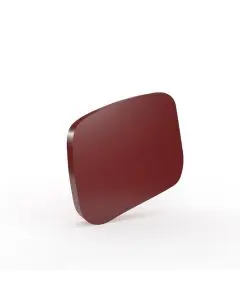
Red Filters for Achromatopsia
- Red lenses filter out much of the bright, short-wavelength light (especially blue and green), which is particularly uncomfortable for achromats. This allows individuals to open their eyes more comfortably in bright environments.
- Some users report improved visual acuity and contrast sensitivity when using red-tinted lenses.
- Studies have shown that red lenses can lead to measurable improvements in peripheral visual fields and central scotoma reduction, which can enhance overall spatial awareness
Things to consider:
- Not all red lenses are equal: The effectiveness depends on the specific tint and how well it matches the individual's light sensitivity.
- May affect color perception: While achromats already lack color vision, red lenses can further distort any residual color perception in those with incomplete achromatopsia.
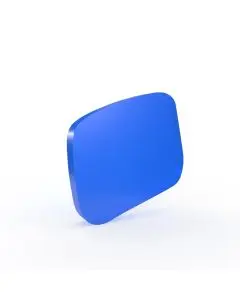
Blue Filters for Achromatopsia
- Blue filters can sometimes help improve contrast and contour perception, which may be beneficial in certain lighting conditions
- Some blue-tinted lenses are designed to reduce glare and light sensitivity
Things to consider:
- Not Ideal for all achromats - red filters are more commonly recommended, especially for those with complete achromatopsia, as they block more light and reduce glare more effectively.
- Since achromats lack functioning cone cells, blue lenses won’t restore color vision.
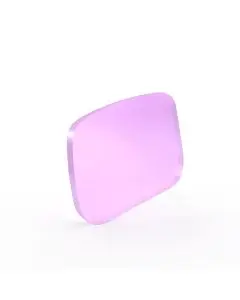
Purple Lenses for Achromatopsia:
- Purple lenses can filter out certain wavelengths of light, potentially reducing glare and photophobia.
- Some purple tints may enhance contrast in specific lighting conditions, which could help with visual clarity in bright environments.
- For some individuals, purple lenses may be chosen for aesthetic reasons while still offering some functional benefits similar to other dark tints
Things to consider:
- The effectiveness of purple lenses can vary widely between individuals. Achromats often need to try several tints to find the one that best reduces discomfort and improves function.
- Most low vision specialists recommend deep red, magenta, or gray lenses for achromatopsia because they block more light and are more effective at reducing photophobia
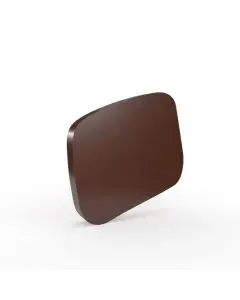
Amber lenses for Achromatopsia:
- Amber lenses are useful for indoor environments and provide a balanced approach to light filtering. Amber reduces brightness but provides clearer vision than darker tints.
- Although amber lenses don’t restore color vision, they can enhance contrast and depth perception. This is especially helpful in environments with diffused or bright lighting (e.g. classrooms or shopping centers), allowing achromats to better distinguish shapes and edges.
- By minimizing glare and filtering out harsh light, amber filters reduce the strain on the eyes, which can help prevent headaches and fatigue—common issues for achromats.
NoIR glasses allow achromats to comfortably navigate bright environments, improving focus, reducing eye strain, and supporting independence in daily life. They also offer long-term protection against UV-related retinal damage—like sunscreen for the eyes.
Supporting Children with Achromatopsia
Children with achromatopsia often struggle in bright environments like classrooms and playgrounds due to light sensitivity and low vision. Fluorescent lights, whiteboards, and sunlight can make it hard for them to focus, participate, or even keep their eyes open. But with the right eyewear—like NoIR glasses—they can thrive.
Consistent use of NoIR glasses is key. Parents and teachers should encourage daily wear to improve comfort, focus, and social interaction, especially if the child also uses prescription lenses.
How NoIR Glasses Help:
- Better focus in class: Reduce glare from lights and screens, easing eye strain.
- Outdoor participation: Minimize sunlight discomfort so kids can enjoy recess and sports.
- Less fatigue: Prevent squinting and visual stress, reducing end-of-day exhaustion.
Need Help Choosing?
Because achromatopsia affects people differently, the best approach is to work with a low vision specialist who can provide trial lenses in various filters to determine what works best for the individual. For assistance with ordering from our website, please contact us at 800-521-9746 for guidance on filters and frames that best suit your needs.